
Use Cases
Dual-use acoustic intelligence, in context.
Where Tersonic fits, what problem it addresses, and what the system contributes in each operating environment.
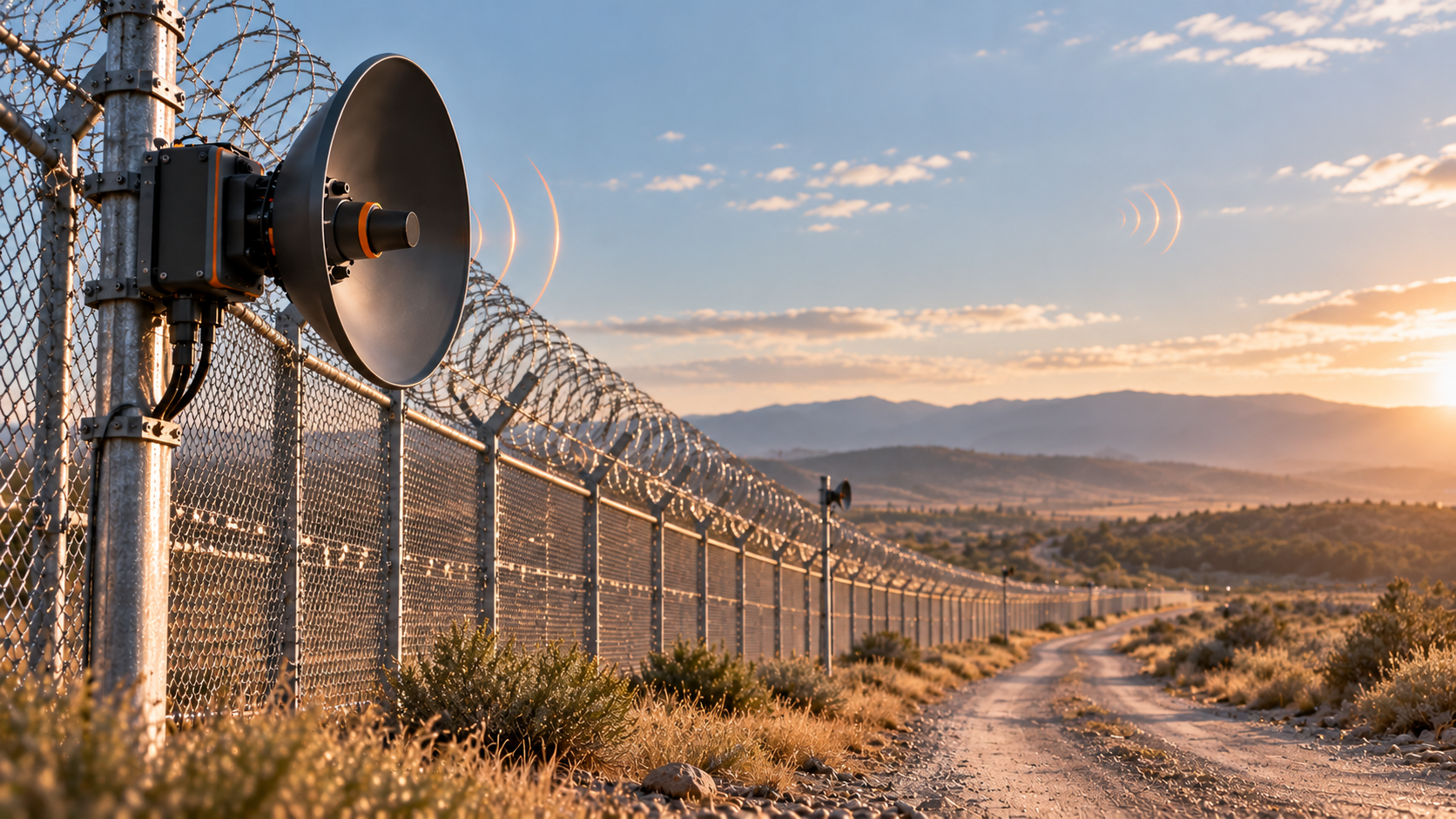
01 / 04
Security & Perimeter
- The challenge
- Perimeters, borders and protected sites often cover terrain where visual coverage is partial or interrupted.
- Tersonic's role
- Distributed nodes provide continuous acoustic awareness of airborne and ground-level sound events, including UAS activity, and route detections to operators in Watchtower.
- Complements visual and radar coverage
- Wide-area passive listening
- Located alerts for operators
Example eventsUAS activity · Vehicle approach · Human intrusion · Critical sound events
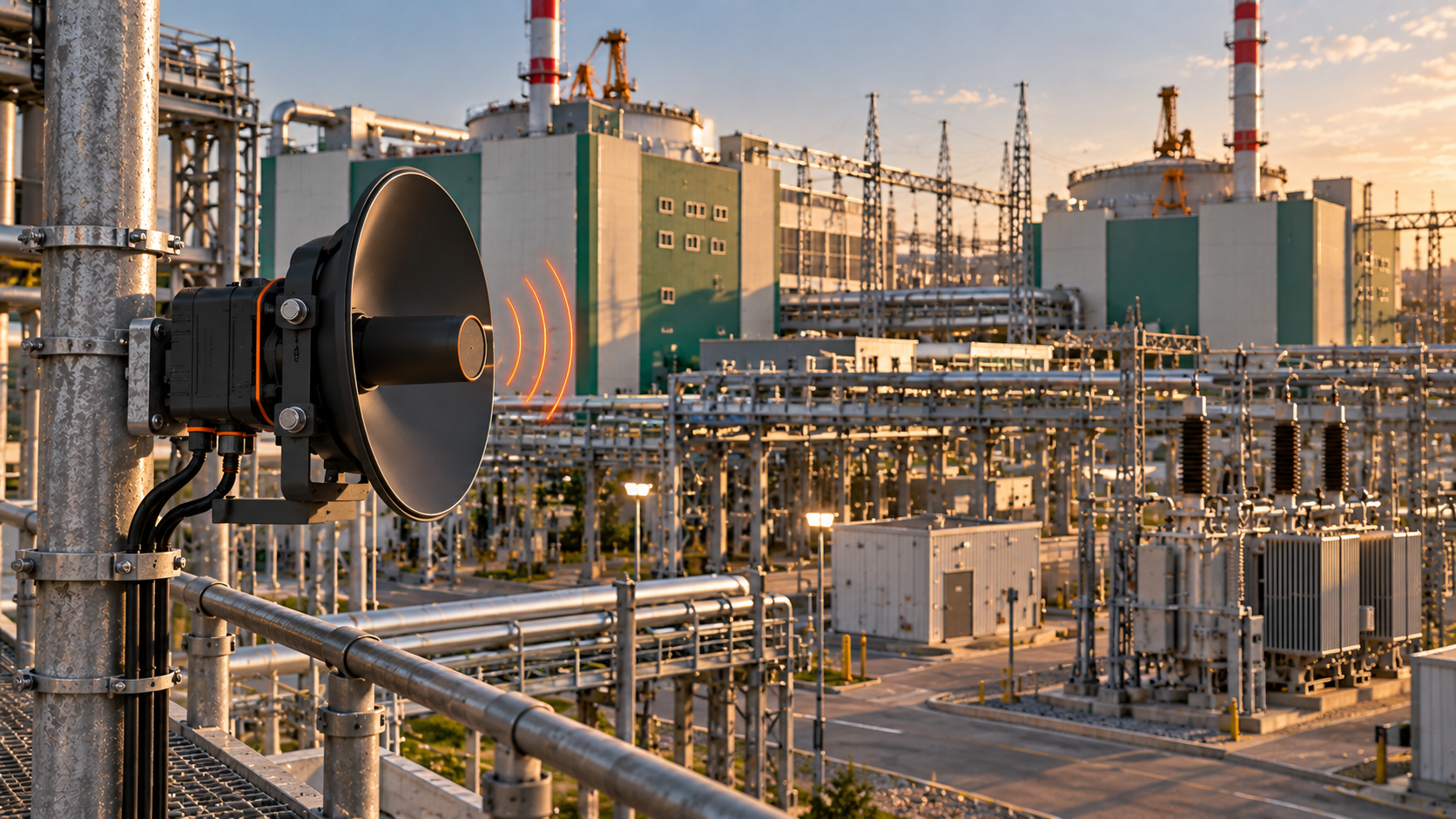
02 / 04
Critical Infrastructure
- The challenge
- Energy, transport and industrial sites need persistent monitoring across large and often unattended areas.
- Tersonic's role
- Tersonic adds an acoustic layer that flags relevant events around assets, helping teams notice anomalies early and respond with context.
- Persistent, passive monitoring
- Event classification at the edge
- Node and fleet status in one view
Example eventsUAS presence · Vehicle movement · Site-edge acoustic anomalies · Unauthorized activity
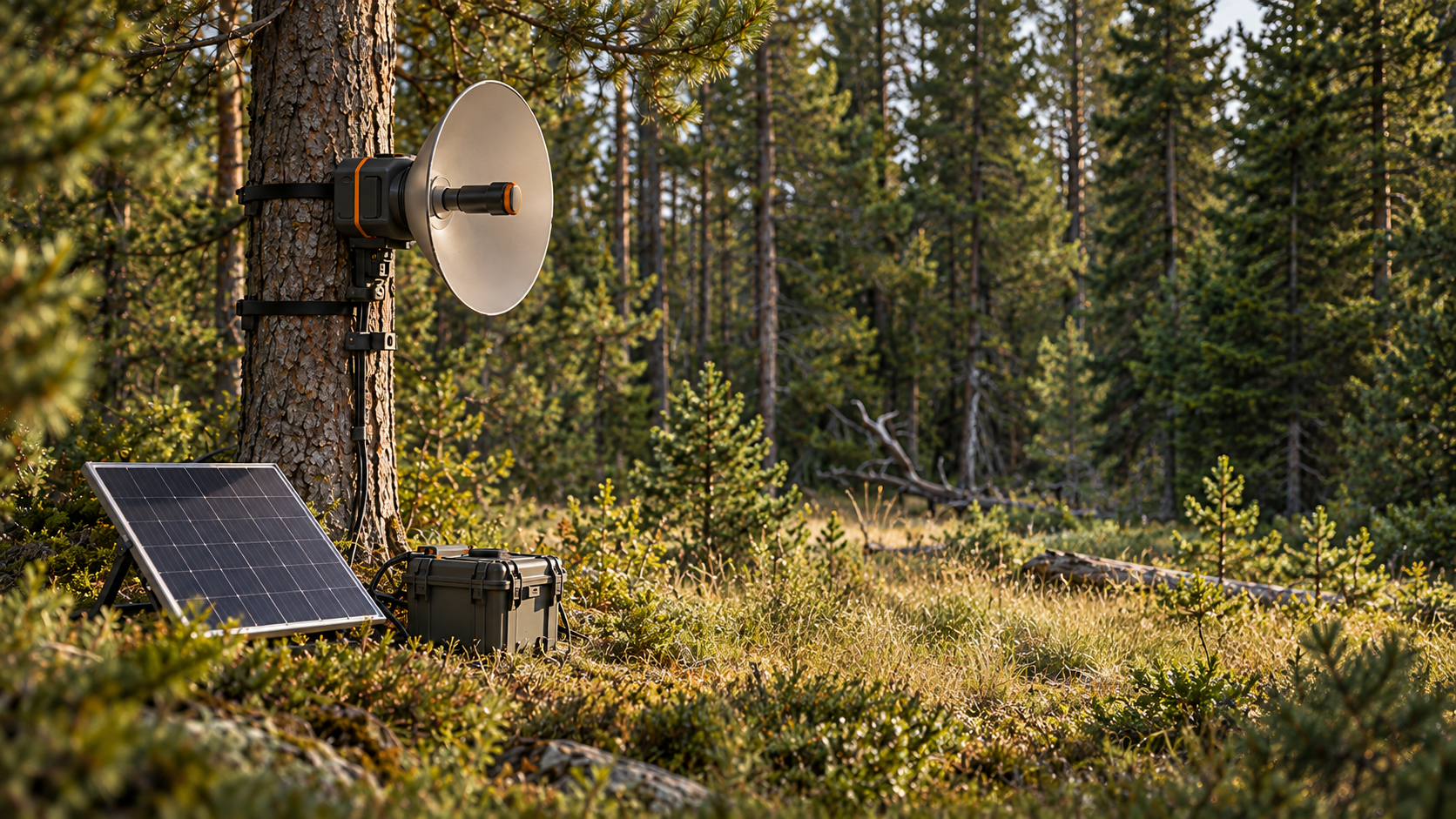
03 / 04
Environmental Monitoring
- The challenge
- Ecological research and protected-area management depend on long-term, non-intrusive observation.
- Tersonic's role
- Passive acoustic sensing supports biodiversity studies and can surface human activity in protected areas without disturbing the environment.
- Non-intrusive sensing
- Long-duration deployments
- Structured event data for research
Example eventsBird activity · Wildlife vocalization · Human presence · Chainsaw / disturbance events

04 / 04
Remote Areas
- The challenge
- Off-grid and low-connectivity regions leave few options for continuous situational awareness.
- Tersonic's role
- Edge-first processing means nodes detect and classify locally and transmit only relevant events, suited to constrained communications.
- Local inference without constant connectivity
- Mesh relationships between nodes
- Lightweight event transmission
Example conditionsOff-grid monitoring · Limited connectivity · Local inference · Remote event reporting